
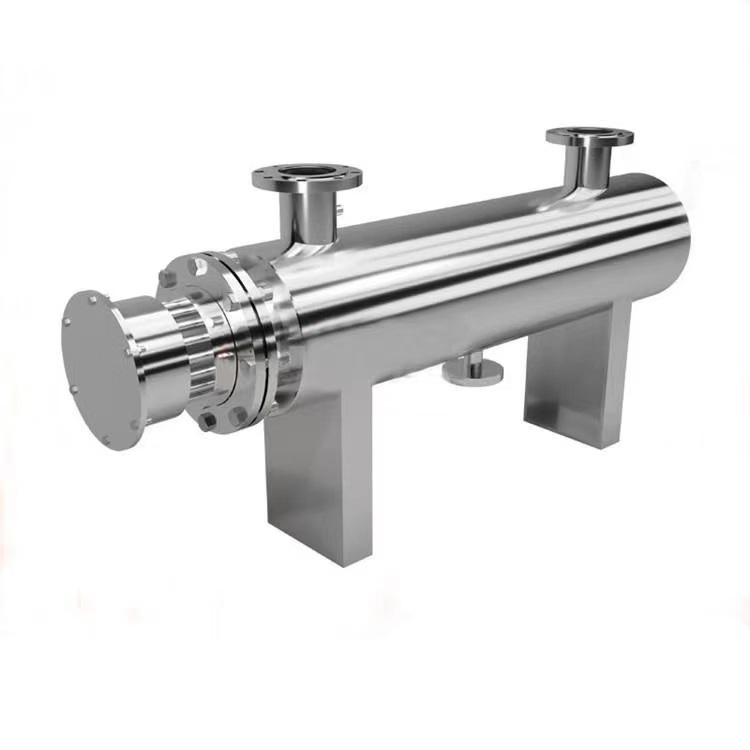
What is a Gas Pipeline Heater?
A gas pipeline heater is a specialized industrial device designed to heat gases flowing through pipelines, ensuring smooth transportation and consistent temperature control. In industries like oil and gas, maintaining the correct temperature is not just a preference it’s a necessity. Without proper heating, gases can cool down, leading to condensation, pressure drops, and even pipeline blockages.
Think of it like keeping your car engine warm during winter. If the engine gets too cold, performance drops dramatically. The same applies to gas pipelines. When natural gas or other gases travel long distances, especially through colder environments, their temperature can fall below optimal levels. A pipeline heater steps in to regulate this temperature and ensure uninterrupted flow.
These heaters are widely used across industries because they offer a reliable way to maintain process efficiency. Whether it’s preventing gas from condensing into liquid form or ensuring smooth movement through pipelines, gas pipeline heaters are essential for modern industrial operations.
Why Gas Pipeline Heating is Important
Preventing Freezing and Condensation
One of the biggest challenges in gas transportation is temperature fluctuation. When gas cools down, it can condense or even freeze under certain conditions. This creates serious operational issues such as blockages, corrosion, and damage to pipeline infrastructure.
Gas pipeline heaters solve this problem by maintaining the gas temperature above its dew point. This prevents condensation from forming and ensures the gas remains in its gaseous state throughout the pipeline. Imagine pouring honey in winter—it becomes thick and slow. Heating it makes it flow easily again. The same principle applies here.
In colder climates, this becomes even more critical. Without heating systems, pipelines can fail, leading to downtime and costly repairs. That’s why industries invest heavily in reliable heating solutions to avoid such disruptions.
Maintaining Flow Efficiency
Efficiency is the backbone of any industrial operation. When gas flows smoothly, systems perform better, energy consumption is optimized, and productivity increases. Pipeline heaters play a key role in maintaining this efficiency.
By keeping the gas at the right temperature, these heaters reduce viscosity and improve flow dynamics. This means less resistance inside the pipeline and fewer chances of clogging. It also minimizes energy loss because the system doesn’t need to reheat the gas later in the process.
In simple terms, a gas pipeline heater ensures everything runs like a well-oiled machine consistent, reliable, and efficient.
How a Gas Pipeline Heater Works
Heating Elements and Heat Transfer
At the core of every gas pipeline heater is the heating element. This component converts energy—either electrical or gas-based—into heat. The generated heat is then transferred to the gas flowing through the pipeline.
The process involves three main heat transfer methods:
- Conduction: Direct heat transfer from the heater to the pipeline
- Convection: Heat circulation within the gas
- Radiation: Heat emission to surrounding surfaces
These mechanisms work together to ensure uniform heating. The goal is to maintain a consistent temperature throughout the pipeline, avoiding hot or cold spots that could disrupt operations.
Temperature Control Systems
Modern pipeline heaters are equipped with advanced temperature control systems. These systems monitor the temperature in real time and adjust heating levels accordingly.
For example, if the temperature exceeds the desired level, the system automatically reduces or stops heating. This not only improves efficiency but also enhances safety. It’s like having a smart thermostat in your home, constantly adjusting to maintain comfort.
Such automation ensures precise control, making gas pipeline heaters both reliable and energy-efficient.
Types of Gas Pipeline Heaters
Electric Pipeline Heaters
Electric heaters are among the most common types used in pipelines. They use resistance elements to generate heat and are known for their efficiency and ease of control.
These heaters are ideal for applications where precise temperature control is required. They also produce fewer emissions, making them an environmentally friendly option. However, they rely heavily on electricity, which can be a limitation in remote areas.
Gas-Fired Heaters
Gas-fired heaters use fuel combustion to generate heat. They are powerful and suitable for large-scale operations where high temperatures are needed.
These heaters are often used in remote locations where electricity is not readily available. While they are highly effective, they require proper safety measures due to the use of combustible fuels.
Both types have their advantages, and the choice depends on the specific needs of the application.
Key Components of a Pipeline Heater
Heating Element
The heating element is the heart of the system. It generates heat and ensures efficient energy transfer to the pipeline. Without it, the heater simply wouldn’t function.
Insulation Layer
Insulation plays a crucial role in minimizing heat loss. It ensures that the generated heat is directed toward the pipeline rather than being wasted.
This improves energy efficiency and reduces operational costs, making the system more sustainable.
Control System
The control system acts as the brain of the heater. It regulates temperature, monitors performance, and ensures safe operation.
With advanced sensors and automation, modern systems can detect issues early and prevent potential failures.
Benefits of Gas Pipeline Heaters
Energy Efficiency
Gas pipeline heaters are designed to maximize energy utilization. They transfer heat directly to the pipeline, reducing energy loss and improving overall efficiency.
This not only lowers operational costs but also contributes to environmental sustainability.
Improved Safety
Safety is a top priority in industrial operations. Pipeline heaters help prevent issues like freezing, pressure buildup, and equipment damage.
By maintaining stable temperatures, they reduce the risk of accidents and ensure smooth operations.
Applications in Industries
Oil and Gas Industry
The oil and gas sector relies heavily on pipeline heaters. They are used to transport natural gas and crude oil over long distances without interruptions.
Without these heaters, maintaining flow consistency would be nearly impossible.
Chemical Processing
In chemical industries, precise temperature control is essential. Pipeline heaters ensure that chemicals remain stable and maintain their properties during transportation.
This improves product quality and reduces the risk of contamination or degradation.
Installation Considerations
Installing a gas pipeline heater requires careful planning. Factors such as pipeline size, flow rate, and temperature requirements must be considered.
Proper installation ensures optimal performance and longevity of the equipment. It’s always recommended to work with experienced professionals to avoid costly mistakes.
Maintenance and Safety Tips
Regular maintenance is essential to keep the heater functioning efficiently. This includes checking heating elements, inspecting insulation, and monitoring control systems.
Simple practices like routine inspections can significantly extend the lifespan of the equipment and prevent unexpected breakdowns.
Choosing the Right Gas Pipeline Heater
Selecting the right heater depends on several factors, including:
| Factor | Importance |
|---|---|
| Pipeline Size | Determines heater capacity |
| Temperature Requirement | Affects heater type |
| Energy Source | Electric vs Gas |
| Environment | Indoor or outdoor use |
Making the right choice ensures maximum efficiency and long-term reliability.
Conclusion
Gas pipeline heaters are an essential component in modern industrial systems. They ensure smooth gas flow, prevent operational issues, and improve overall efficiency. From oil and gas to chemical processing, their applications are vast and critical.
By understanding how these heaters work and choosing the right type, businesses can enhance productivity, reduce costs, and maintain safe operations. Investing in a high-quality gas pipeline heater is not just a technical decision—it’s a strategic move toward long-term success.
FAQs
1. What is the main purpose of a gas pipeline heater?
It is used to maintain the temperature of gas in pipelines, preventing condensation and ensuring smooth flow.
2. How does a gas pipeline heater improve efficiency?
By keeping gas at the optimal temperature, it reduces resistance and energy loss during transportation.
3. Are gas pipeline heaters safe?
Yes, when properly installed and maintained, they are highly safe and reliable.
4. Which industries use gas pipeline heaters?
They are commonly used in oil & gas, chemical processing, and energy sectors.
5. What factors should be considered when choosing a heater?
Pipeline size, temperature requirements, energy source, and environmental conditions.